Artist — Interview
Tom Wright
Meet artist Tom Wright. He was a part of so many different cultural shifts and historical moments. It's fascinating to see how his life intersected with the music scene, the rise of extreme sports, the environmental movement, and even the tragedy of 9/11. He truly lived through a transformative period in history.
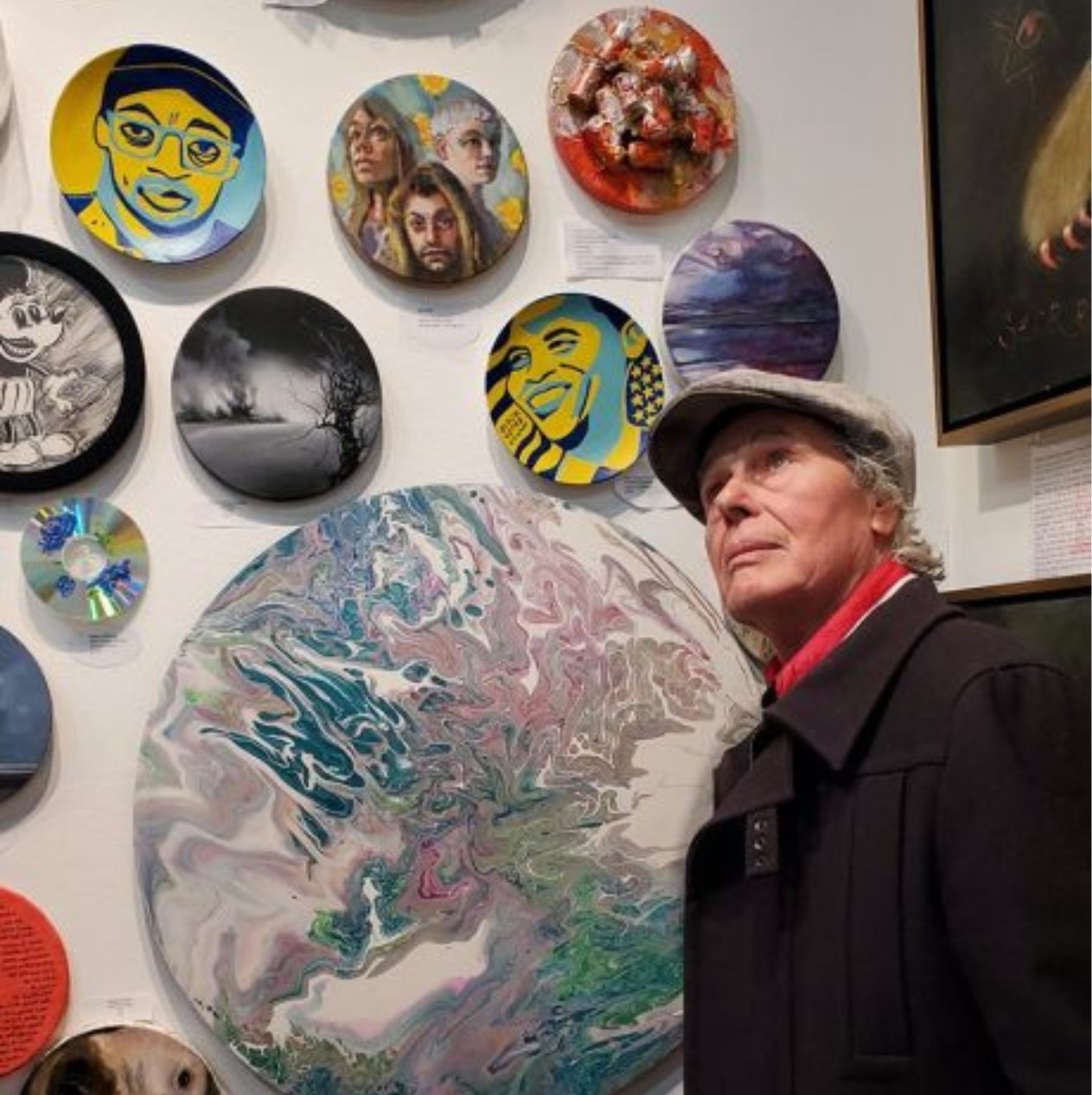
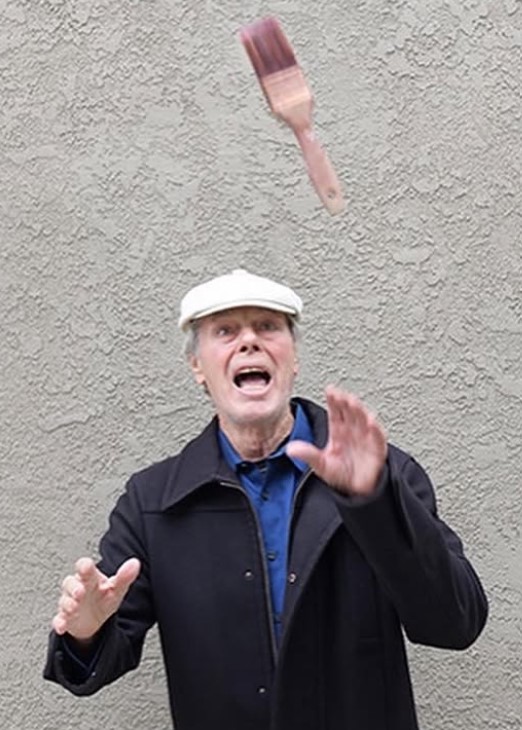
Early Years
Born in Hollywood in 1944, with the backdrop of World War II and bombs falling in Europe, immediately sets a powerful context for his life. It hints at the historical forces that would shape his world and perhaps even influence his own path. It's a compelling way to introduce him and suggests a life filled with interesting experiences.
Yes, that's a great way to summarize Tom's journey! It really captures the breadth of his experiences across those decades. He was a part of so many different cultural shifts and historical moments. It's fascinating to see how his life intersected with the music scene, the rise of extreme sports, the environmental movement, and even the tragedy of 9/11. He truly lived through a transformative period in history.
When did you start drawing?
- I started painting on Georgia Pinewood and from that I did 125 paintings and showcase for the first time my obviously explosive experiences during the 9/11.
Did the traumatic event of 9/11 leave you in a state of shock or influence your work unexpectedly?
- Yes, it was it was almost like a post-traumatic World Trade Center shock and out of that unbeknownst to me.
- That's a powerful and understandable reaction to the trauma of 9/11. It's not surprising that such a profound and disturbing event would have a lasting impact. Turning to painting as a form of expression and processing those emotions is a very creative and cathartic outlet. It sounds like the act of painting on Georgia pinewood was a way of connecting with the natural world and finding some grounding after such a disorienting experience. Creating 125 paintings is a significant body of work, and it's impressive that you were able to channel your experiences into such a productive and meaningful project. Sharing those paintings and showcasing your "explosive experiences" from 9/11 must have been a very personal and vulnerable, but ultimately powerful, act. It sounds like a way to both heal and to share your experience with others.
Can you name some of artists you have worked with?
- The list of artists I met and worked with in the 60s included some of the biggest names in music—the Rolling Stones, Led Zeppelin, Jimi Hendrix, and even filming at the Royal Albert Hall. All of this was happening right around 1968-69, just as I was thrown into the whirlwind of music and rock and roll. From there, I moved to Aspen, Colorado, where I started working with local skiers on films, something that felt like a natural next step for me. I got involved in the ski scene and eventually opened my own film studio, which I called Aspen Films. It was an exciting time, full of creativity and new adventures.
What has been your biggest project in your artistic journey?
-I did 125 paintings and showcased for the first time my obviously explosive experiences during 9/11. That's a powerful and understandable reaction to the trauma of such a profound and disturbing event. Turning to painting as a form of expression and processing those emotions was a very creative and cathartic outlet for me. Creating 125 paintings is a significant body of work, and it felt meaningful to channel my experiences into something productive. Sharing those paintings and showcasing my 'explosive experiences' from 9/11 was deeply personal and vulnerable, but ultimately a powerful act. It was a way to heal and to share my experience with others. It’s been a journey, from my early days in the music scene to my work with the United Nations, and now this artistic response to 9/11.
What media did you used to create these artworks?
Mostly Georgia pinewood, it became a way of connecting with the natural world and finding some grounding after such a disorienting experience.
Can you share your life story and the key moments that defined your career across music, film, publishing, activism, and art?
In the 1960s, I found myself thrown into the whirlwind of music and rock 'n' roll, working with some of the biggest names of the era—the Rolling Stones, Led Zeppelin, Jimi Hendrix, and even filming at the iconic Royal Albert Hall. It was an incredible time, right around 1968-69, when music was exploding, and I was right in the middle of it. After that, I moved to Aspen, Colorado, where I opened my own film studio, Aspen Films, and started capturing the daring world of skiing. I filmed skiers doing what was then called "hot dogging," which eventually evolved into the X Games. I even put together a Hot Dog Film Festival that toured ski towns like Aspen, Vail, and Steamboat, showcasing the early days of freestyle skiing.
Later, I moved to Denver and reconnected with the music industry, working as a photographer for Tumbleweed Records. One of the highlights was creating the album cover and poster for blues legend Albert Collins. His album, There’s Gotta Be a Change, featured a massive pull-out poster of my photograph, which was a proud moment for me. But eventually, I felt the pull to return to my roots in Los Angeles, where I transitioned into publishing. I worked for Pacific Magazine and later helped launch Rock Magazine, which grew from 10,000 to 350,000 copies a month. We focused on in-depth stories about rock stars, blending the writing style of Time Magazine with the visual flair of Vogue.
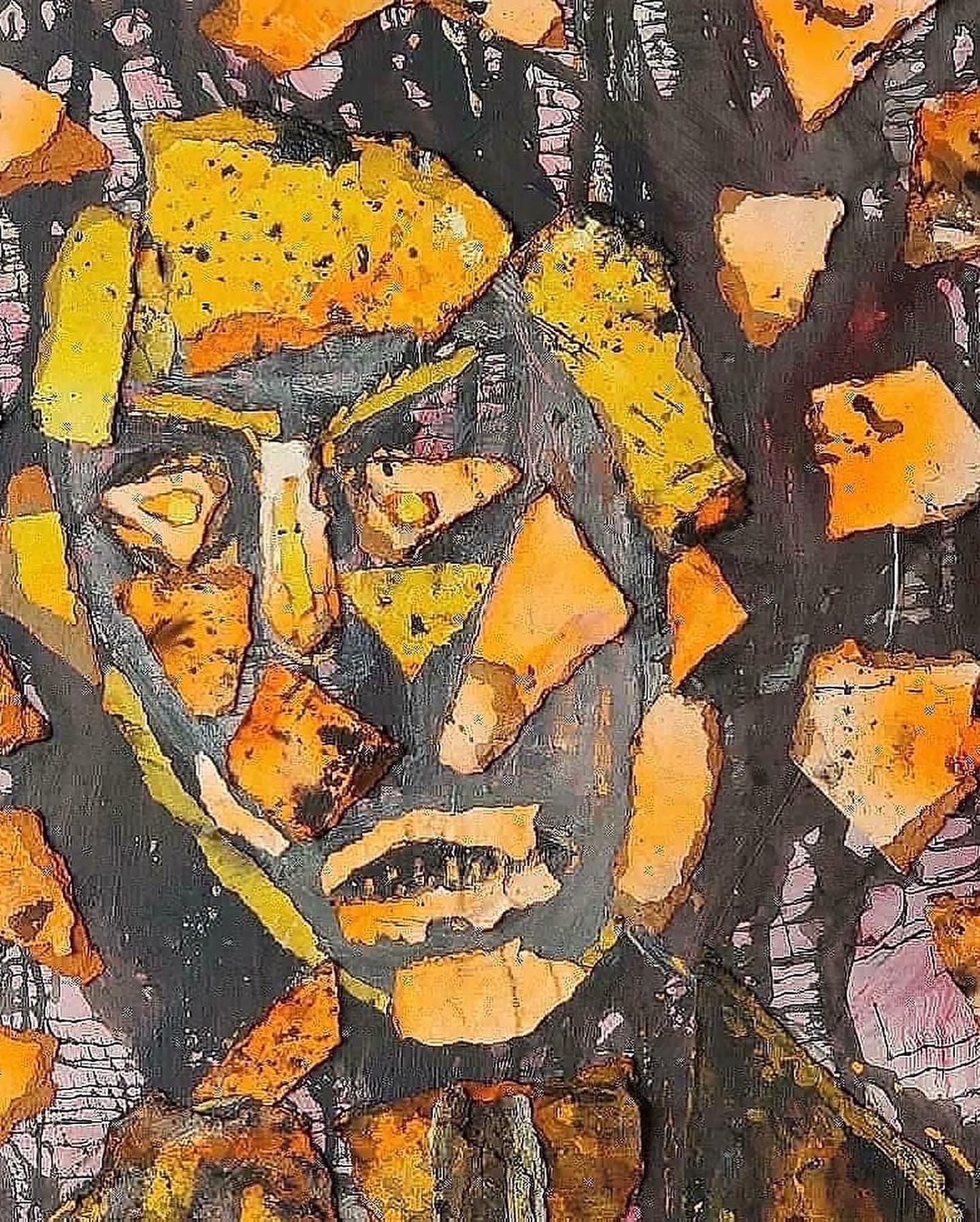
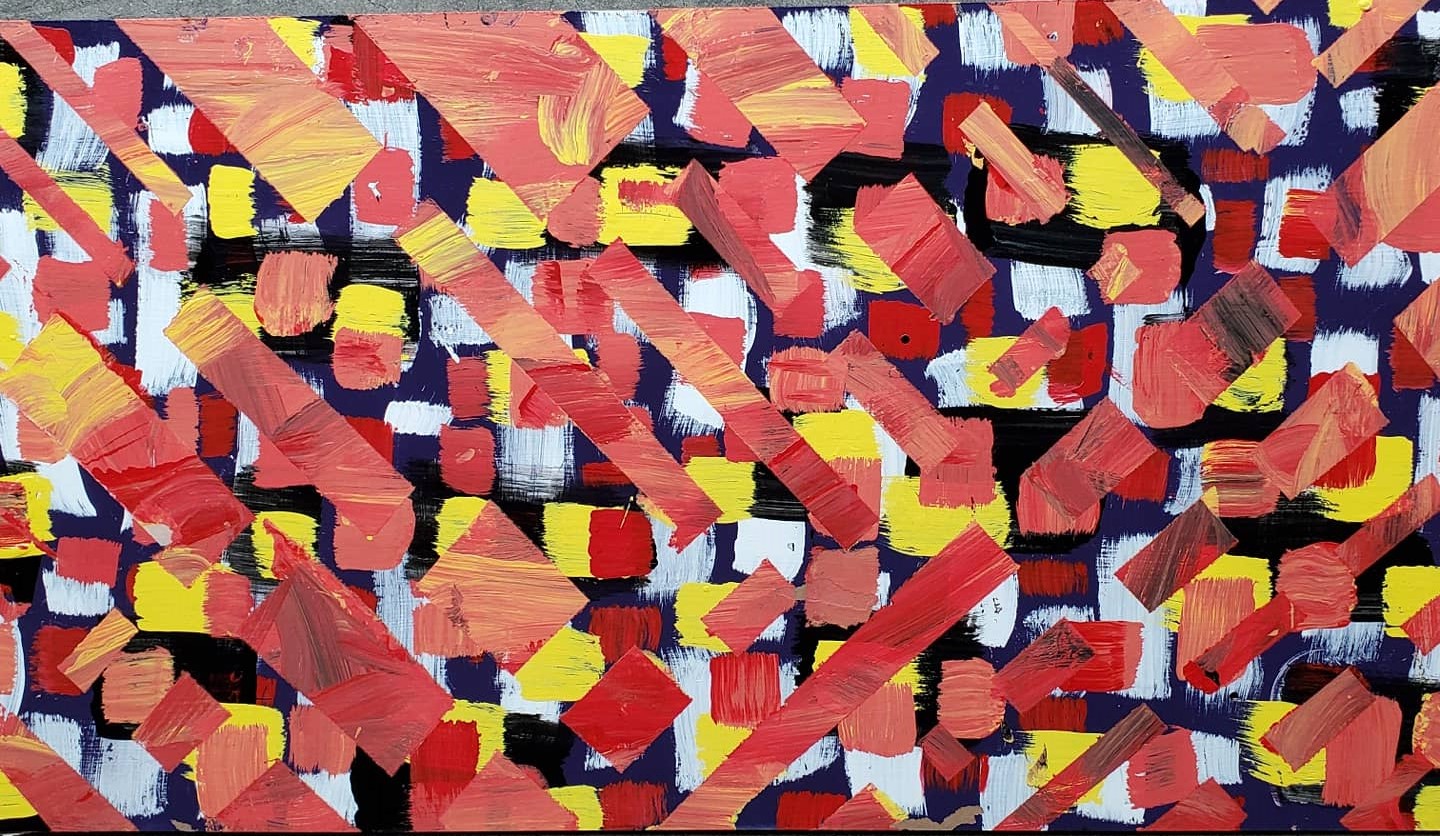
In the 1980s, I moved to New York City and got involved with the United Nations, producing events like the Peter Gabriel concert on the UN grounds in 1986, which was part of the Earth Run—a global initiative to promote peace and environmental awareness. I also became Vice President of the Earth Society Foundation, where we worked on projects like the Peace Bell, which world leaders would ring to symbolize unity. But life took another turn in the 1990s. One day, while heading to a deli in Manhattan, I helped an elderly man who turned out to be Mr. Giuliano, a wealthy resident of Billionaires' Row. That simple act of kindness led to a three-and-a-half-year job working for him, where I handled everything from managing his finances to firing his secretary. Later, I worked with renowned chef Giuliano Bugialli, helping him publish his cookbooks and promote his Tuscan villa, where he offered $10,000-per-person culinary experiences. I treated him like a rock star, signing his books and ensuring he received top-tier service. Then came September 11, 2001. I was about to leave for Tuscany when the attacks happened. In the aftermath, I organized a memorial for fallen firefighters and police officers in my district and collaborated on a film called Brothers on Holy Ground, which documented the heroism of first responders. The emotional toll led me to leave New York and retreat to a cabin in the Georgia forest, where I began painting as a way to process my experiences. I created 125 paintings on Georgia pinewood, capturing the raw emotions of that time. These works were later showcased at various galleries, marking a new chapter in my life as an artist.
Looking back, my journey has been a whirlwind of music, film, publishing, activism, and art—each chapter shaped by the people I met and the moments that defined me.